
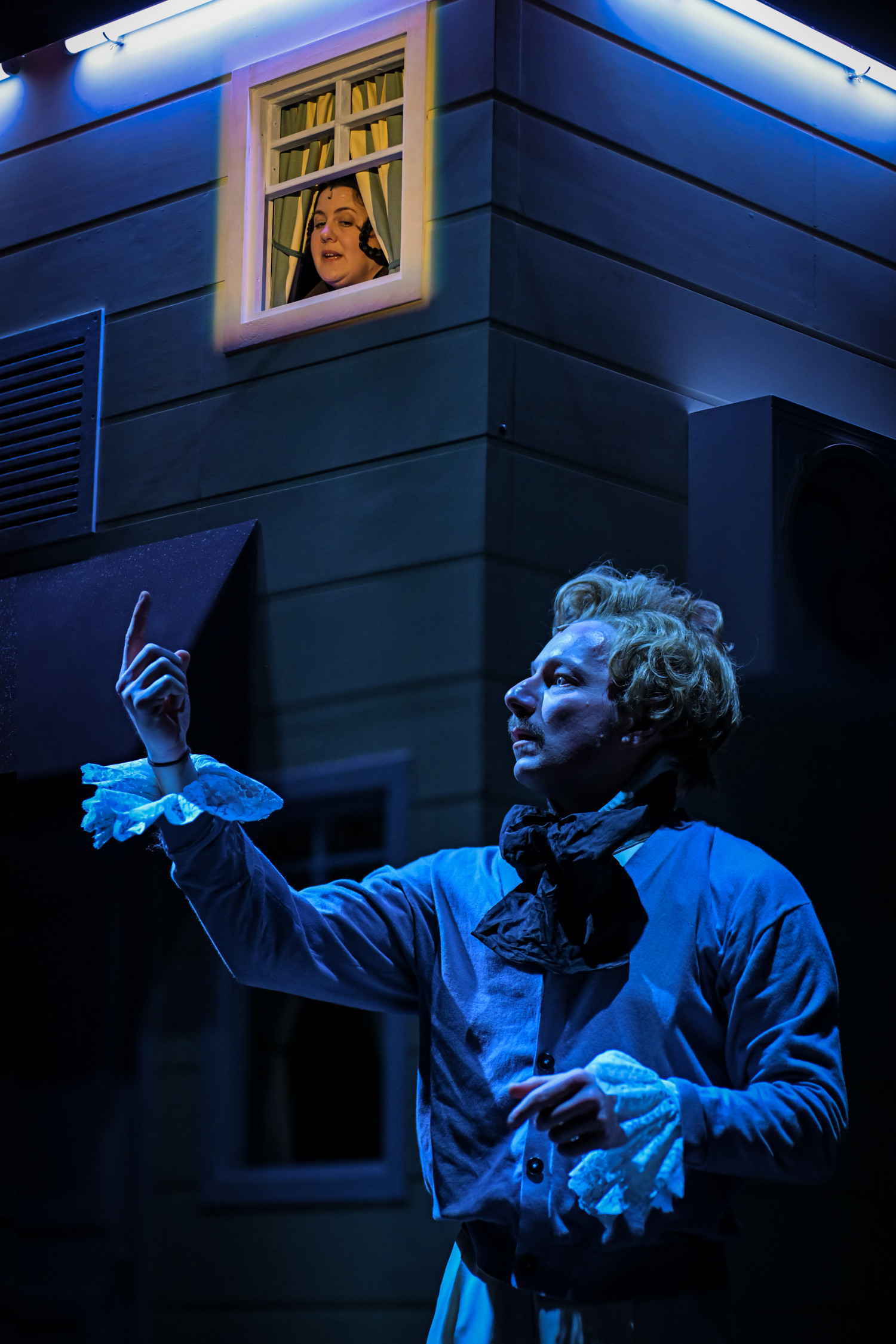
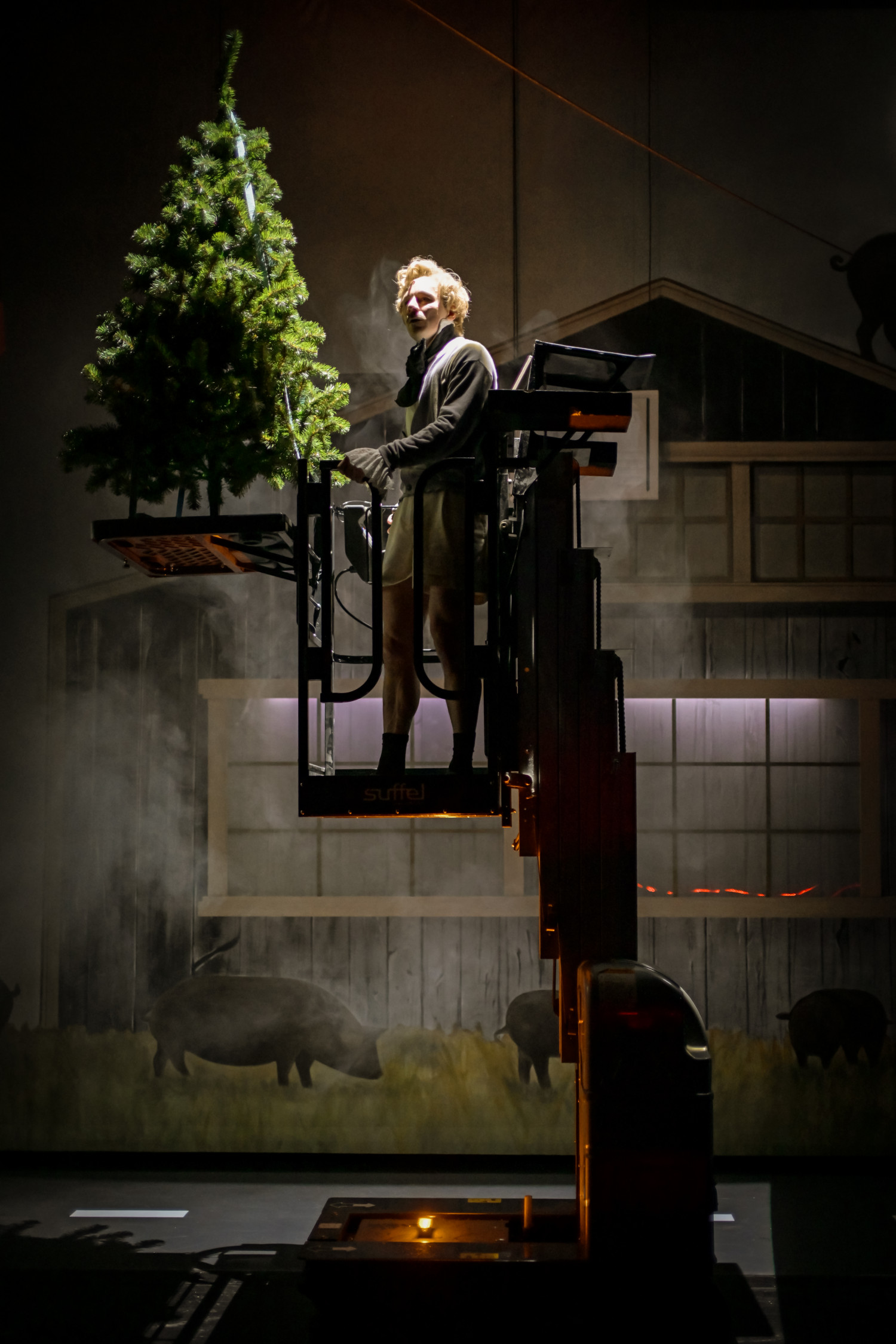
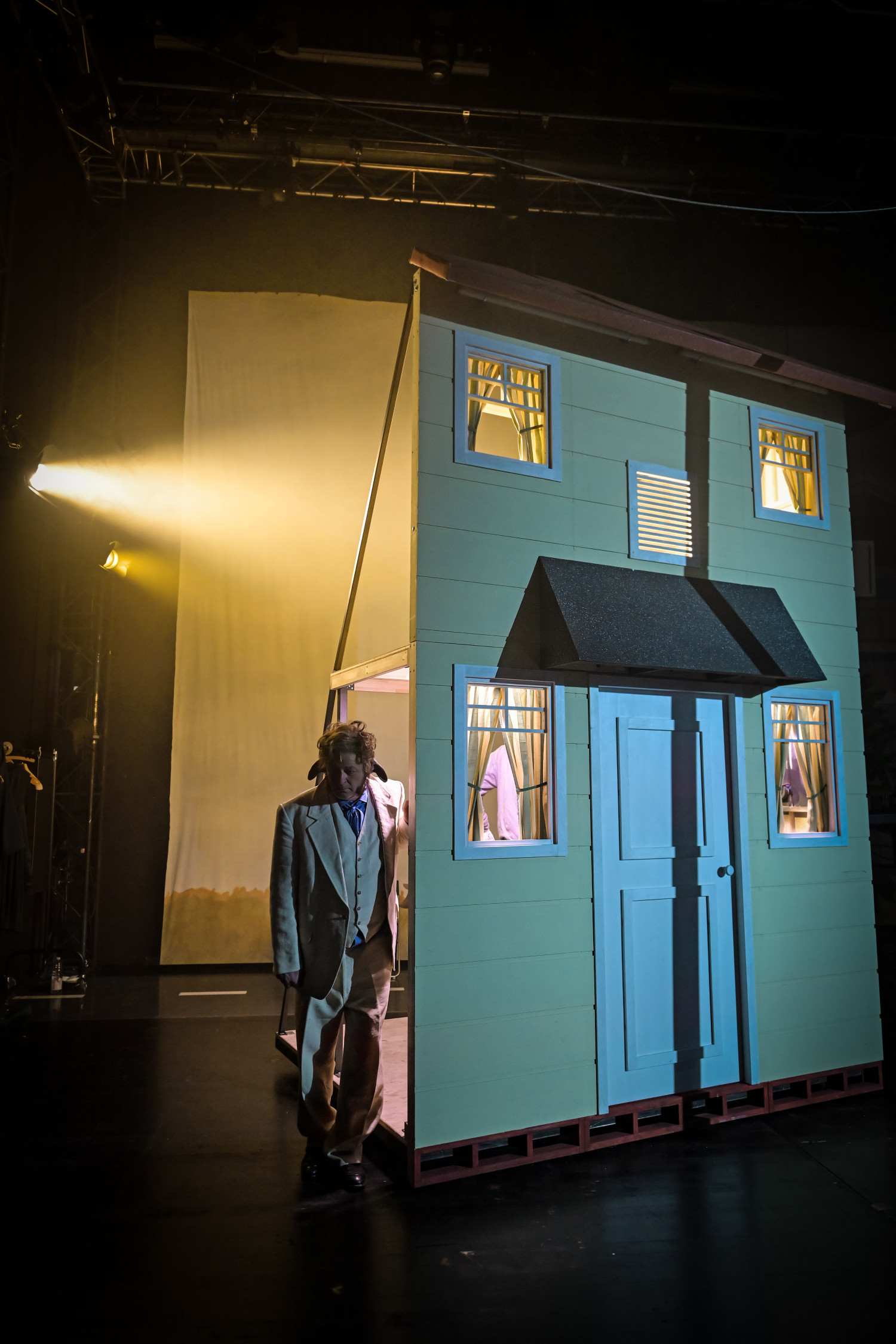
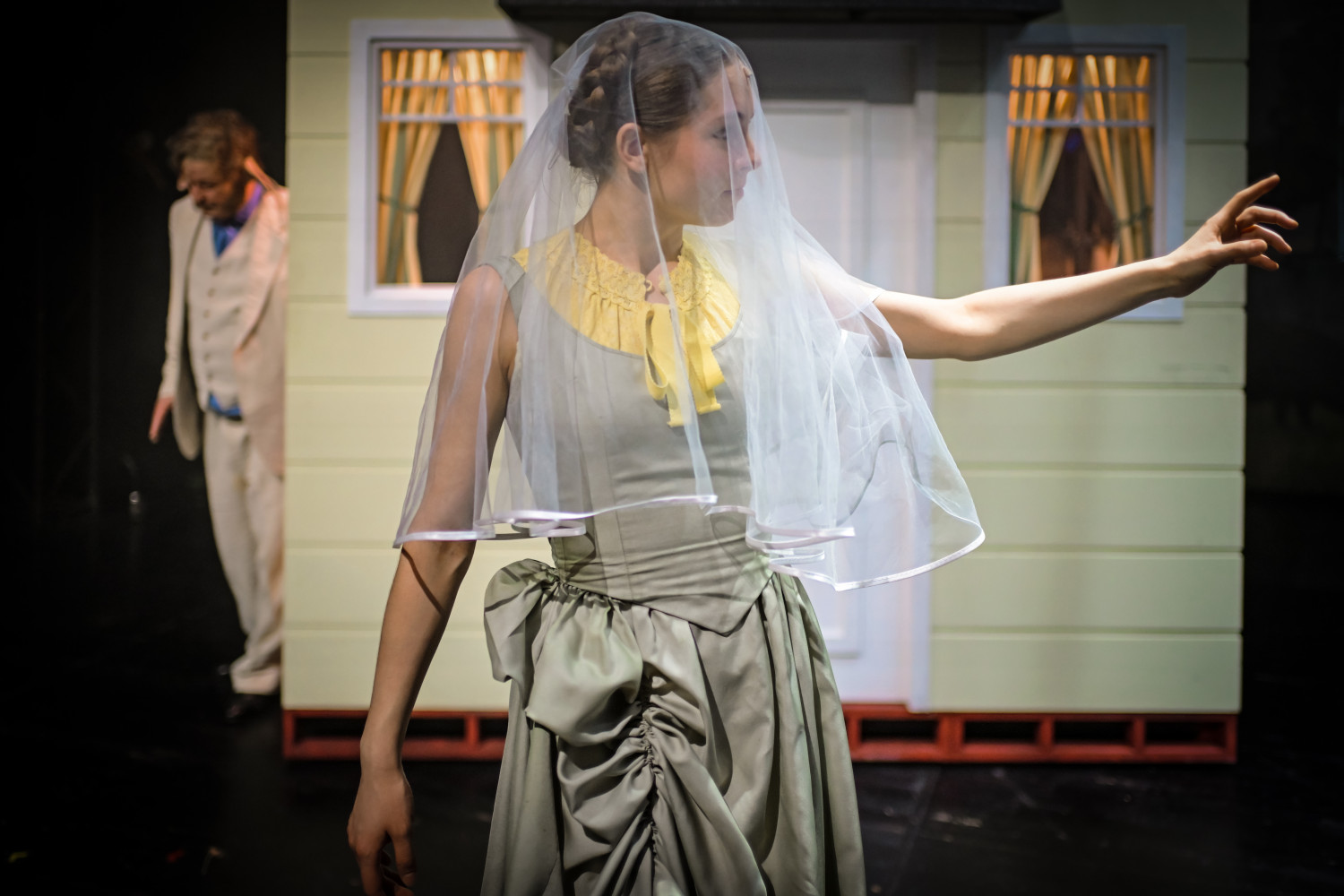
© Andreas Etter
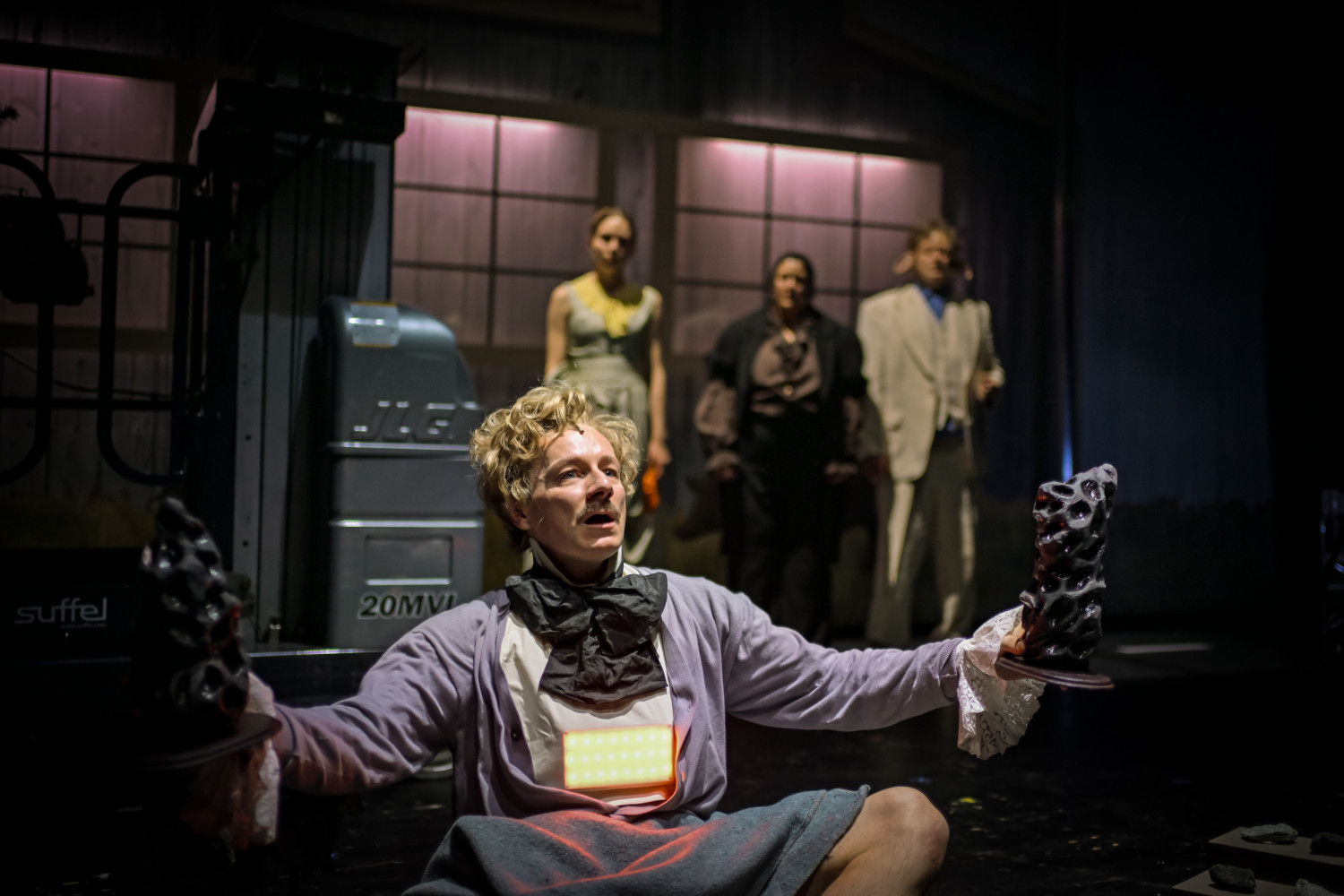
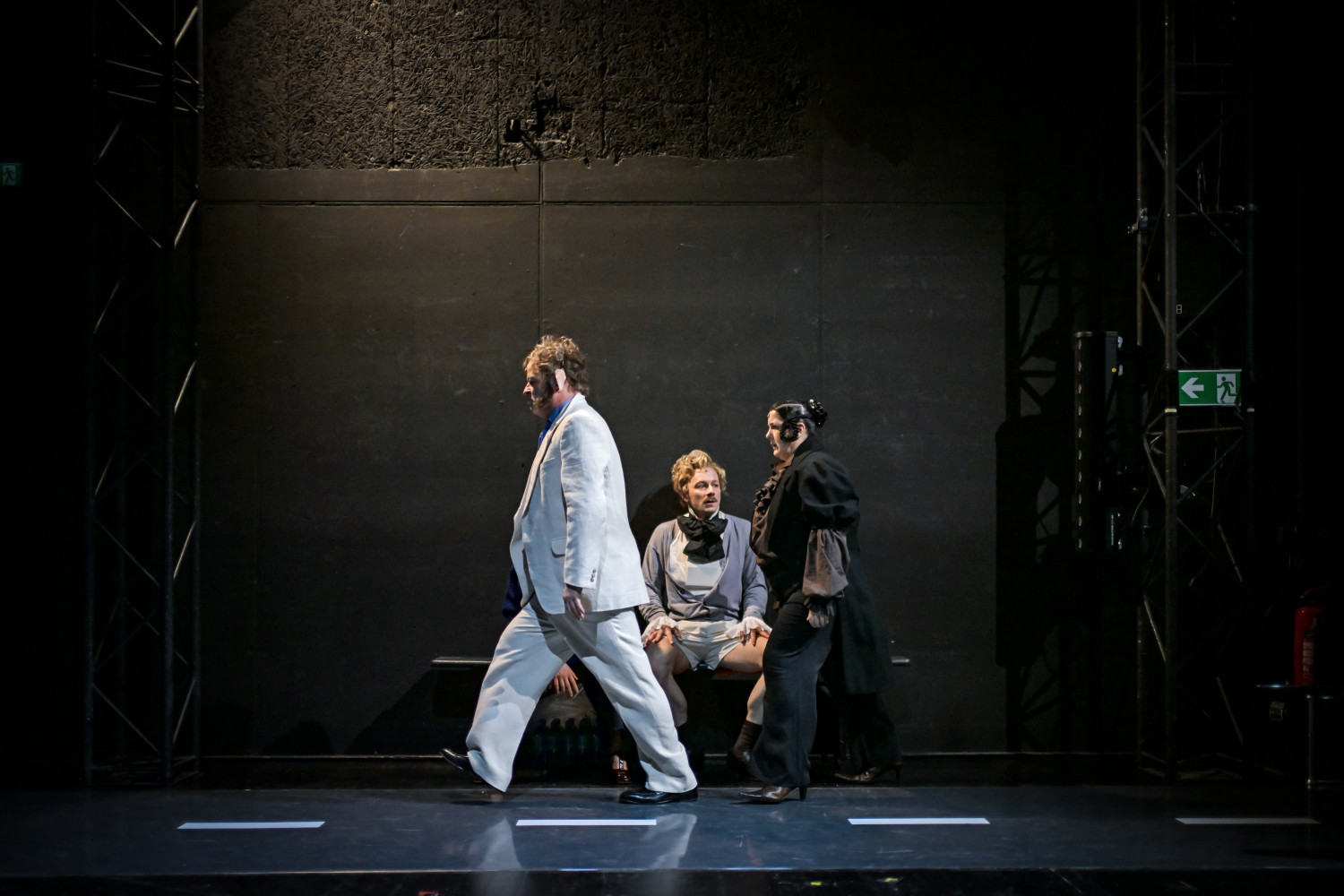
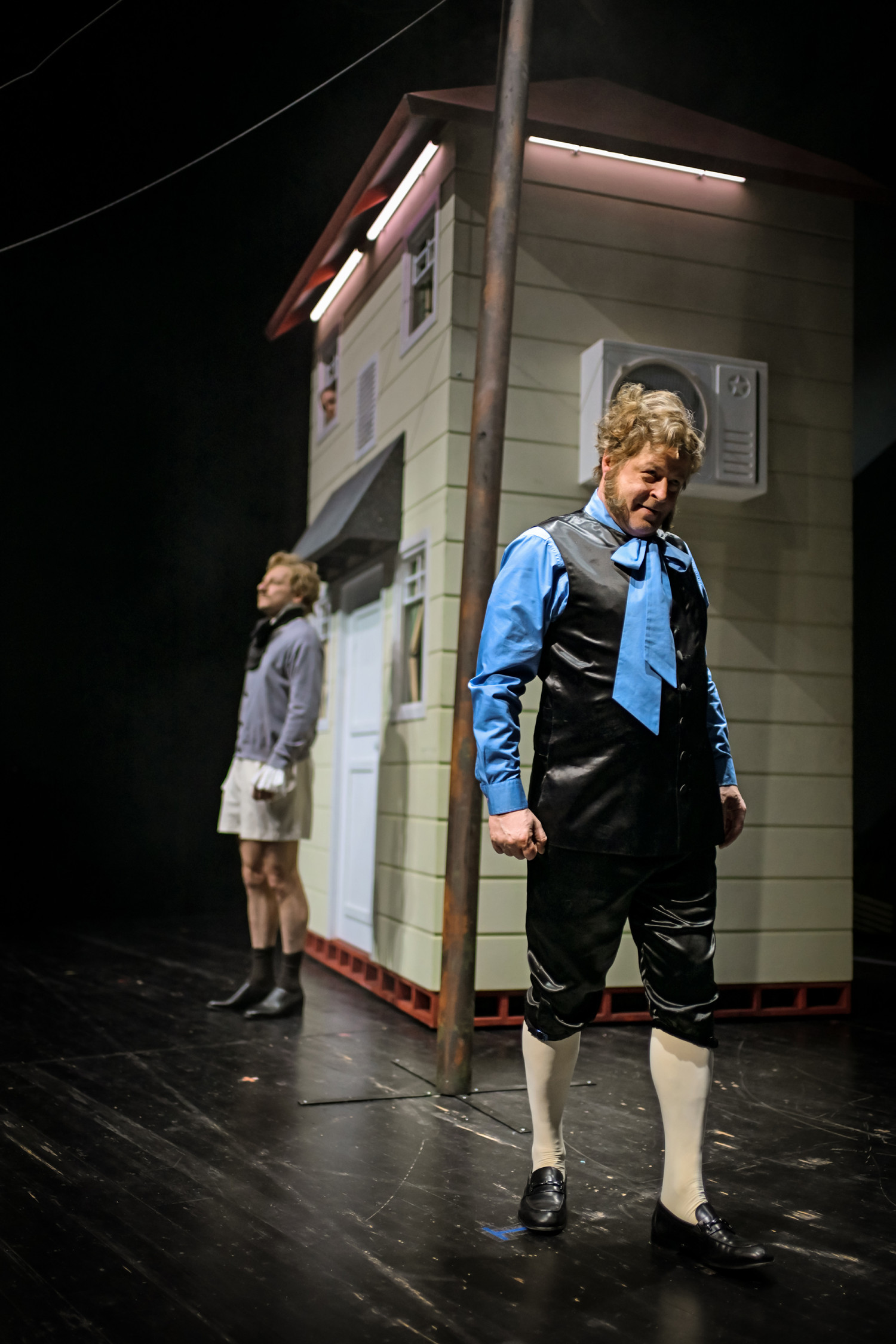
The events in Hoffmann’s final story oscillate between fantasy and reality: we follow the grotesque adventures of the young Peregrinus Tyß – in which a seemingly vanished princess, a friend and two long-dead naturalists play crucial roles. The eponymous Master Flea, the leader of the fleas, provides Tyß with a ‘thought microscope’ (a sort of lie detector), with which he sees right through people – or so it seems …
To mark the 250th anniversary of E.T.A. Hoffmann’s birth, Woody Mues takes a contemporary look at this story, which is well worth rediscovering and deals thematically with love, artistic freedom and scepticism towards the Enlightenment.
Incidentally, the story is set in Frankfurt am Main, which in Hoffmann’s hands, of course, becomes a fantastical place, for: “His texts are very precise arrangements, and if you look closely, portals to the fantastical and the marvellous open up within the reality that we believe to be so fixed and immutable.” (Wolfgang Bunzel)